Showing posts with label Idea of the Month. Show all posts

Wednesday, August 30, 2017

The Perfect Refrigerator - August Idea of the Month

Most refrigerators are set at around 36 to 40 degrees, but the perfect temperature is right at 32 degrees. However, if you were to set your refrigerator at 32 degrees, the temperature would fluctuate enough that you would most likely end up freezing some foods. This is why most people tend to set their refrigerator temperatures slightly higher so that things stay cold, but not frozen.
  
If in an emergency, and ice is available, you can actually make a perfect refrigerator. Make this by putting clean ice in a cooler. Then, fill cooler with clean water to the point where it barely covers the ice. Now, put food items in the ice bath in a sealed container.
Make sure to use clean ice and clean water (do not add salt, it changes freezing temperature of water) 
This ice water bath keeps food right at 32 degrees but won't freeze it, and provides a longer shelf life to the foods because of colder temperatures. 

If you'd like to know the science behind this concept, check this out:


Tuesday, May 16, 2017

Car Window Hammer - May Idea of the Month

Instead of buying an expensive car window safety hammer (used to break a car window in case of an emergency) you can buy a welders chipping hammer (used for chipping slag off of welds) for around 5 dollars and up.
When you watch REAL safety hammer testing on YouTube a lot of those safety hammers don't work very well. To break glass effectively you need a good sharp point and some steel behind it.
That is why a 5 dollar chipping hammer works so much better.

-----------------Traditional Car Window Safety Hammer Vs. Welders Chipping Hammer --------------------
You will also want to have something for cutting a stuck seat belt. For this you can't beat a good pair of scissors. Put the chipping hammer, scissors, and a pair of leather gloves in a safe but easy spot to get to in your car.
There are a lot of videos on YouTube of people leaving kids and pets in hot cars and people having to break glass to get them out. Having tools like this will make this a lot easier.


Monday, April 24, 2017

Camping Toilet - April Idea of the Month

Ever been out camping and had no where to go when nature calls? 
Here is the perfect redneck solution!
Oftentimes, camping stores will have small bucket toilets 
or regular camping toilets that are just too small. 
Using a regular toilet seat at a regular height is so much more comfortable.


This “toilet” is made from a plastic 55 gallon drum, 
and a toilet seat from a hardware store (the bolts come with the seat).


To make:

1.       Mark the drum, measuring from the bottom up to your preferred height. I chose to make mine 18 inches high, so I marked the drum at that height and drew a line on the drum. Then cut around the entire drum with a skill saw.
2.       Drill two holes where you want the toilet seat to be mounted on the bottom of the drum, then bolt it on. 
3.       Drop the seat and trace along the inside rim. Then, lift the seat up and cut out that hole with a jigsaw.


To use:

             1. Dig a hole approximately 12 inches in diameter, and the 
              depth that you desire. 
             2. Set your "toilet" over the hole and it is ready for use!


It is easy to clean; but most importantly, 
it's enclosed so you don't get splashes on your leg! (eeeeek!)
It also doesn't take up too much space in storage. 
The amazing thing about this setup is when it is cleaned, disinfected, and in storage, you can put other preparedness equipment inside such as cleaning supplies or toilet paper therefore using all available space.


Thursday, March 16, 2017

Redneck Vacuum Sealing - March Idea of the Month

Freezing is a very common and useful way to preserve food.
Before putting food in a Ziploc bag and throwing it into the freezer (or fridge),
vacuum seal it to extend the shelf life.
There are many ways that this can be done,
but I find my method to be simple, cheap, and efficient.

How to:
Put food into a Ziploc bag.
Insert a straw into the bag and then seal it up to the point of the straw.


Use your mouth to draw the remaining air out of the bag.
While still sucking, pull the straw out and quickly zip up the bag the rest of the way.


Tuesday, February 28, 2017

Atmit - February Idea of the Month

What is atmit?
 
“Atmit is a nutritional supplement used to fight famine in impoverished countries. The creamy, nutritious food is indigenous to Ethiopia and is now used to feed the severely malnourished and weakened adults and children. The word atmit originated in Ethiopia and refers to a kind of "thin, nourishing porridge”
 
My family loves my version of this recipe.
We often eat it for breakfast and make homemade “survival bars” for snacks.
 
 
Atmit
        • 3 cups oat flour (you can make this by simply dry blending rolled oats in a blender until it is a powder)
        • 1 ½ cups powdered milk
        • ¾ to 1 cup sugar 
Directions:
This recipe can be made many different ways. If someone hasn’t eaten for a few days,
then a thin, runny consistency helps to ease their body back into eating food.
My kids like it thicker—some of them even like it with a bit of milk.
With this in mind, the three ingredients up above are added to boiling water (very similar to making oatmeal or other such breakfast foods). The amount of water varies because of preferred thicknesses.
 
 
Atmit survival bars
          • Dry atmit mix
          • Peanut butter
Directions:
Add small amounts of peanut butter to atmit mix
and stir until you can mold it in your hand without being sticky
Note: additional ingredients of your choice can be added
such as mini chocolate chips, or shredded coconut etc.  


Monday, December 12, 2016

Medical Equipment - December Idea of the Month

Most communities don't have the medical capabilities to handle large scale disasters. There are just too many people. So for your church group, preparedness group, or large family it is a really good idea to have at least one set of basic medical testing equipment. When a disaster hits you will possibly have a doctor or nurse in your area, but they will need some of those basic tools to diagnose the sick and injured. A lot of doctors and nurses won't have those tools in their homes. Here is a list of basic testing equipment that you will want to have. All of these items can be bought online. Keep in mind that you will still need first aid supplies to go with it.

  • Stethoscope
  • Otoscope (for ears)
  • Thermometer
  • Pulse Oximeter (for monitoring a person's oxygen saturation)
  • Glucometer including appropriate strips and lancets (for blood sugar)
  • Blood pressure cuffs
  • Reflex hammer
  • Tongue depressors, preferably wrapped.
  • Flashlight
  • Masks, Gloves
  • Alcohol wipes
  • Lubricating jelly
  • Alcohol gel for hands


Monday, November 28, 2016

Emergency Irrigation - November Idea of the Month

Src: Playing with Brushes from Flickr
 
In an emergency situation, oftentimes you don’t have all of the parts and pieces that you need to build things and access to these parts would be difficult at best.
So thinking outside of the box can really pay off.
 
PVC Pipe Emergency Drip-irrigation for Garden

Materials needed:
• Heat source (hot coals from a waning fire, briquettes, etc.)
• PVC pipe (I use 3/4”, but any size will work)
• 5 gallon plastic bucket
• Hack saw
• Cotton rags

Directions-
1. Making the point: Take the PVC pipe and the hack saw, cut four slits about 3” long in one end of the pipe. Heat the pipe until soft and mold it tapering to a point (as shown). Let cool and file off excess edges.

 
2. Making the pipe-stop: Take the other end of that same PVC pipe and cut four slits down about 1” deep, then heat until soft. Smash onto a flat, hard surface so that the end flares outward. Hold until it cools.
 

This is the finished product:


3. Hole in bucket: Drill a 5/16” hole towards the bottom of the bucket. Then heat the area around the hole until soft. Then take the PVC pipe point that you made earlier and push the point through the small hole from the inside of the bucket. Note: This photo shows only a small part of a bucket purely for demonstrative purposes. You would use the whole bucket to hold the water for the irrigation process.


4. Cutting the point off: The point is used to aid in inserting the pipe through the small hole; but also to form a sealing shoulder on the bucket (as shown here).


Once the pipe has been pushed all the way through to the stop, the point is no longer needed. Cut it off. You will be attaching the rest of the pipes to this first pipe.


5. Making the bell: Take a regular piece of PVC pipe and heat approximately 1” of the end until soft. Then take another pipe and shove it into the soft end of the heated pipe, let cool and then you can pull the second pipe out. This makes a bell-shaped connection so that pipes can be easily connected together.


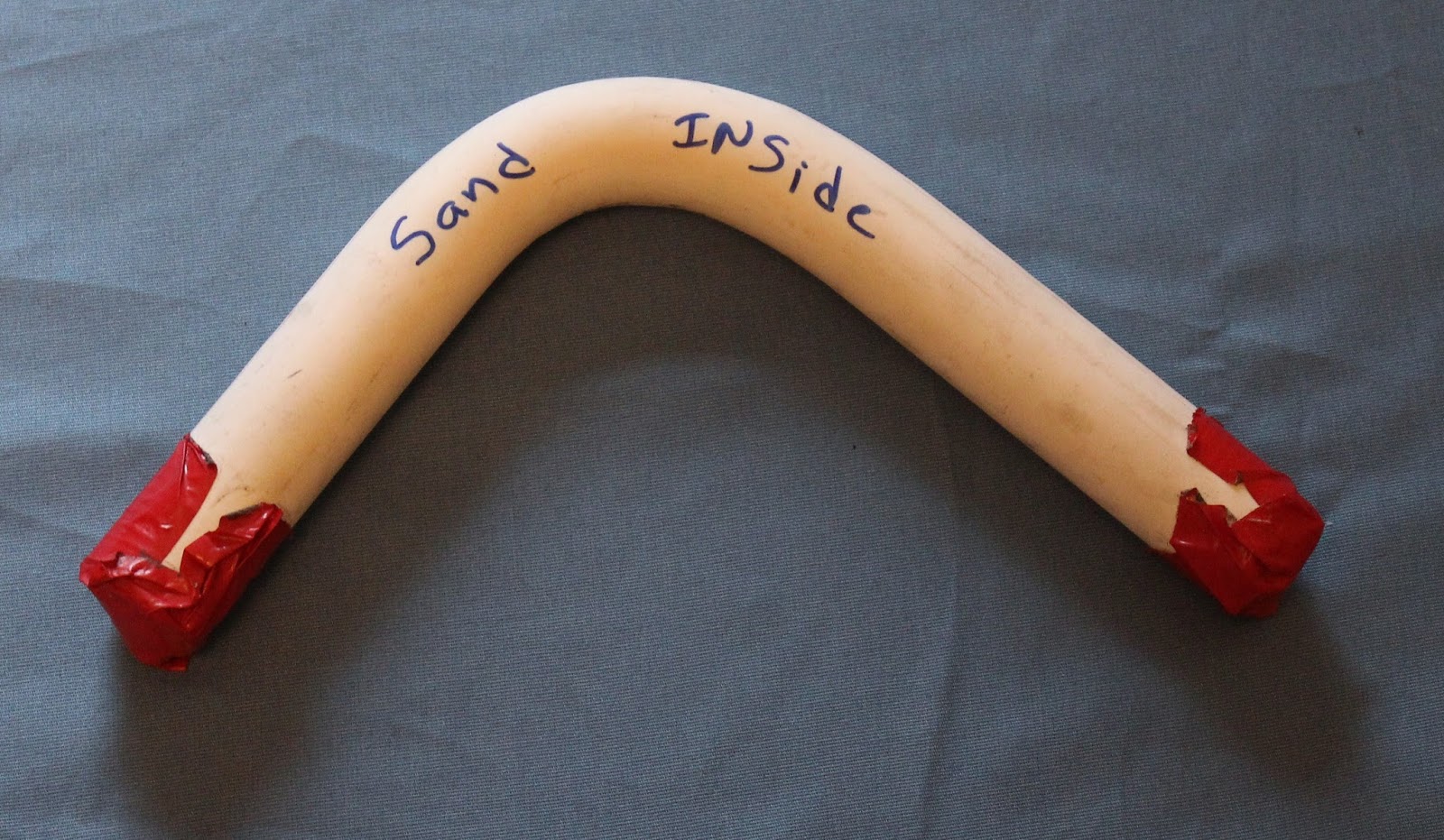
6. Making elbows (if needed): You may need to make an elbow if you need your makeshift irrigation system to turn a corner. To do this, you need to take a short piece of pipe and put duct tape on one end, then fill the pipe with sand, and then tape the other end shut. Heat the middle of the pipe and then bend it to your desired angle. Once it cools, dump the sand out.


7. Drip pipe: Wherever there is a plant, drill 3/8” holes clear through the pipe. Take a short piece of a cotton rag and roll it to fill the hole with a small amount hanging over both sides.


8. Assembly: Your five gallon bucket holding the dirty water needs to be sitting on something two or three feet in the air so that gravity will feed the water through the pipe. Use cinderblocks or an upside down barrel etc. Start connecting your pipes to the pipe coming out of the bucket and run the pipe alongside the plants. Start drilling holes wherever the plants are and stuff the rags into the holes (The reason why regular drip nozzles won’t work is that they plug with dirty water). At the very end of your system, plug the pipe with something or heat it and smash it until cool. Fill the bucket with water as needed and watch your plants grow.

Afterthought: If you do have steel pipe and desire to connect to the plastic pipes, heat the metal pipe for about 10-15 seconds, shove the metal pipe inside the plastic pipe, and cinch down with a hose clamp on the joint to embed the threads of the steel pipe into the plastic pipe. You can take the hose clamp off once it cools. This also works using plastic bottles if you desire to use them for a funnel or to connect another type of container to your piping system.


Wednesday, August 31, 2016

Active Shooter Bag - August Idea of the Month

Active Shooter Bag
Guest Post by Dan Vernon

** Disclaimer:  It is illegal to use deadly force in the commission of a crime.  Please check your local, state, and federal laws in regards to the use of lethal force.  The contents of this kit is one opinion and is not a guarantee that you will win a lethal force encounter.  This kit is meant to create an active thought process in the good law abiding citizens of this country.  These items will not be affective unless you receive formal training and educate yourself into the proper use. **

General Description:  A kit equipped with the gear needed to effectively combat an armed conflict and/or anytime lethal force is legally justified.

There are several tiers to an Armed Response Kit (ART).
However, today we will discuss the very first tier of an ART, the Active Shooter Bag (ASB).

The ASB is a small, lightweight bag that will provide the basic essential gear to assist a person in surviving an active shooter incident and/or a home invasion.  This also applies to any armed attack from a person with the intent to kill or seriously injure you or others. 
It should contain the following items:  Bag, Handgun, Ammunition, Trauma First Aid, Flashlight, and a quality knife.  Below is a breakdown and description of each item.


The Bag:  The bag needs to be small but large enough to hold the contents adequately.  I prefer a bag that is an ‘over the should’ type bag, this allows a person to throw the bag over the shoulder even if you jump from be in your underwear.  A fanny pack would also work as well.  The color of the bag should be subdued, but avoid camouflage bags, they can draw unwanted attention if deployed in public.  A small bag of this style allows a person to have all of the basic items at all times (ex. hanging on a bed post, or in a desk drawer, or in your car).

The Handgun:  I recommend a handgun simply due to the need to be concealable within your ASB bag.  As big of a handgun as you can carry in the bag without effecting sensible carry of the bag.  Whatever type of handgun a person chooses, they should be trained and proficient with that firearm.  The firearm should have place inside of the bag that it is stored securely and cannot fall out during a drop.  Also nothing else should be stored in that pocket.  Many bags have a built in holster system that will fit your firearm.

The Ammunition:  The amount of ammo is a difficult detail to provide, I prefer to have as much as possible.  However, ammo will begin to add noticeable weight to the bag.  In my personal bag I carry two spare 17 round magazines.  If your handgun carries fewer rounds then you may decide to carry one more magazines.  Those individuals that carry a revolver should have the ammo organized in the best way possible, like speed strip and speed loaders.  Loose rounds in the bottom of the bag are not a good idea, they will not be easy to locate during the high stress of a lethal force encounter.  Stock this bag with high quality defensive ammo, this stuff will be defending your life!
The Trauma First Aid:  Think about the injuries associated with a lethal force encounter; stab wounds, gunshot wounds, and severe cuts.  The most common cause of death during an event like this is a person bleeding to death before help arrives.  During my years of tactical training we were taught that 80% of all gunshot victims survive, this is due to modern medicine.  If the Paramedics are held up because the police have not yet cleared the entire building, many people could simply bleed out.  Stock your bag with tourniquets, compression bandages, Israeli battle Dressings, gauze, gauze rolls, and tape.  Please do not forget to place protective medical gloves, several sets, in your bag also.  A couple of useful blood stopping items that are cheap and easy to acquire are tampons, maxi pads (the overnights), sports wrap tape, horse leg wrap (same stuff used for humans but half the price).  The thing with this medical kit is it should be save for yourself until the incident is over and then you can help those in need.  The reason for this is you will be equipped to stop the bad guy, if you don’t treat yourself, you will not be helping anyone.
The Flashlight and Knife:  These two items are tools needed to fight, escape, and treat the injured.  The flashlight should be a small quality light with a tail cap and a wrist lanyard.  Learn how to fight with a light and learn how to have light discipline, which could also save your life and give you the upper hand.  The knife is a great tool to cut your way through many obstacles, cut off clothing of the injured, and in a last resort fight!  Buy knife that has the ability to open and close with one hand, I like medium to large folding knifes.

The most important thing about this bag is that you educate yourself on the proper techniques to use all of the items in the bag.  Each person may find other tool to add to this list, which is okay, just keep it light as possible.  Tools like extra medical items, a phone, extra batteries, a list of important phone numbers, thin gloves, small bottle of water, and energy bars could all be a viable addition.  This bag is meant to give you a fighting chance.  If you are not a gun person, then stock medical and escape/evasion gear, just give yourself the gear needed to overcome a lethal force encounter.
And one more thing, when the police do arrive do EXACTLY what they say!  Drop the gun, and put your hands in the air, don’t argue, and don’t make any fast movements.  This type of incident is stressful for even the most highly trained individuals, if you do not obey their commands you will get shot.  This ASB allows you to take action or be a good witness, you do not have to run from a safe place to join the fight.  I can guarantee that I will never get mugged in a dark alley, because I don’t walk down dark alleys.  The best action is to stay as far away from danger as possible.  However, when evil shows its face, this bag will give you options that you wouldn’t have otherwise.

Be safe, love your fellow man, and never stop learning.


Wednesday, July 13, 2016

Survival Cache - July Idea of the Month

_______________________________________________________________________________
Survival Cache                                                                          [kash]
             (noun)
A buried or hidden container that is filled with supplies that can be accessed when needed.
Often placed on someone’s property hidden via burying. They are also placed along evacuation/bug out routes to be accessed when needed during traveling.
_______________________________________________________________________________

This survival cache is a perfect way to store needed items in a safe, hidden location. These can be accessed at any time but mainly used for natural disaster situations. Some of the things I put in mine are ammo, dried food, water purifying tablets, medication, a good pocket knife, flint and steel, solar blanket, rope, an empty soup can for boiling water, etc. If for some reason you lost everything and you had a cache somewhere you would have access to some basics with a long shelf life. I have a couple buried. One at the corner of a shed at a friend's house and one on another property. They seal real well since this pipe is made to go into the ground and not leak. You can buy the 4 inch ABS pipe and parts at Home Depot or Lowe's or a plumbing store.

Survival Cache for Emergency Situations

Supplies needed (makes 1 cache):
• 4 inch diameter ABS plastic pipe [you choose length]
• ABS glue
• ABS 4 inch cap [to glue on bottom]
• ABS 4 inch cap [removable to make the top]
• Flathead screwdriver
• Empty 40 oz. Jif peanut butter plastic jars {Note: I’ve found these work perfectly - flat on top and bottom for stacking, they seal real well, good for a second barrier, not too tight or too loose in the 4 inch pipe, they keep things separated, and you have extra containers for water or whatever things you need }
 How to:
1. Glue a cap on one end of the pipe
2. Fill jars with your survival products
3. Put top cap on (the removable one) and
    tighten with a screwdriver
4. Bury in a safe location. I like to bury them
   vertical, but some like horizontal; it is your preference.

Survival Cache assemblySurvival Cache Containers

I like digging a vertical hole a little bigger than the pipe. Then I set the pipe in the hole and stuff some foam around it to fill the hole. Then I have a small piece of plywood about 12x12 inch that I recess into the soil on top of the hole about 8 inches. I then put dirt on top of plywood so I don't have to dig much to get it out. In an emergency I would dig it up and take the whole thing with me. I could use the pipe for an extra container or something.
I hope this cheap, redneck emergency preparedness idea is useful for you!


Monday, June 6, 2016

Easy Soup Base - June Idea of the Month

After a natural disaster or during an emergency situation, food can be scarce.
Knowing how to make the small amount of food you might have available,
 into something good to eat is essential.

For an easy soup base take a gravy packet and double the water that it calls for.
We like McCormick gravy, it calls for 2 cups cold water so we add 4 cups of water (if you like the soup thicker: only add 3 cups of water to 1 McCormick’s gravy packet).
 Then, add salt to make up the difference for the extra water. Next, add some canned beef, canned corn, and canned baby potatoes. Finally, stir until the soup is at a low boil.
This soup is really great and very easy to make! Try it!


Friday, May 20, 2016

Chicken Cooker - May Idea of the Month

Chicken Cooker
Making slow-cooked, smoked meat/potato wedges etc. is nearly effortless with this method of cooking.
Meadow Creek, a barbecue website, crafts chicken cookers that make it possible to easily cook incredibly delicious chicken
To view these “BBQ Pits” go here: http://www.meadowcreekbbq.com/bbq-series.php
I decided to make a small version of their type of cooker for everyday home use and camping. It worked really well!

The concept:
·    The steel box encases the contents (briquettes, grates, food items). This serves to keep  
     heat inside the cooker and speed up the cooking process.
·    The food is heated by briquettes in the bottom of the box. Note: DO NOT use briquettes 
     with lighter fluid, use only plain briquettes. A briquette chimney is used to initially heat
     these.
·    Small vent holes feed briquettes oxygen, but you must be careful to not give it too much
     oxygen or your chicken will burn. I put six quarter-inch holes on the sides close to the
     bottom of the box.
·    The meat is sandwiched between two grates
·    The distance of the two grates is 18 inches from the briquettes (this measurement is very
      important!)

My box is 16x16 x22 H. The two racks are hinged together on one side.
I used an oven rack [the kind with the bars close together, then I cut it to the size I needed]. I used a slip ring ( just 2 little pipes welded together ) to hold the rack together but you could use wire or a hose clamp etc. I made the box by welding cut steel together. You could use 2 oven racks and some cinder blocks if you couldn't weld. You just need some type of fireproof box.   
How to:
1.   Obtain a 7 lbs pack of bone-in chicken, I prefer thighs. Lay them on one rack and close other rack on top of them, clamp the non-hinge side. This makes a “sandwich”, season both sides with your choice of spices.


2.    Light two chimney’s worth of briquettes
3.    After 30 minutes, dump them in the bottom of box/cooker.
4.    Level the briquettes out with a shovel

5.    Set rack of preloaded chicken in slots (located at the top of the cooker)


6.    Shut the lid of the cooker 
7.    For crispy chicken: Flip every 10 minutes for an hour and twenty minutes


8.     For less crispy chicken (regular): Flip every 10 minutes for an hour and ten minutes


9.     Remove chicken grates from cooker, set in a safe place


 Once the chicken is done, there is plenty of heat left over in the bottom of the cooker for use in Dutch oven cooking, or for cooking baked potatoes etc.


Friday, April 1, 2016

Personal Safety - April Idea of the Month


Personal Safety

Have you ever worked in the rain without a raincoat or been out in a snow storm that you weren't ready for? Have you then had to clean up a muddy mess?

Having the right gear and clothing for the situation you are in is so important. I milked cows through out my teenage years and remember many times getting so dirty and so wet working with those cows. It was miserable. One summer I got so wet that I ended up getting pneumonia and spent a few days in the hospital. Back then they put a tent over the bed for pneumonia patients and I remember having to keep straightening the plastic tent so I could watch tv through the plastic. Funny what we can remember from so long ago.

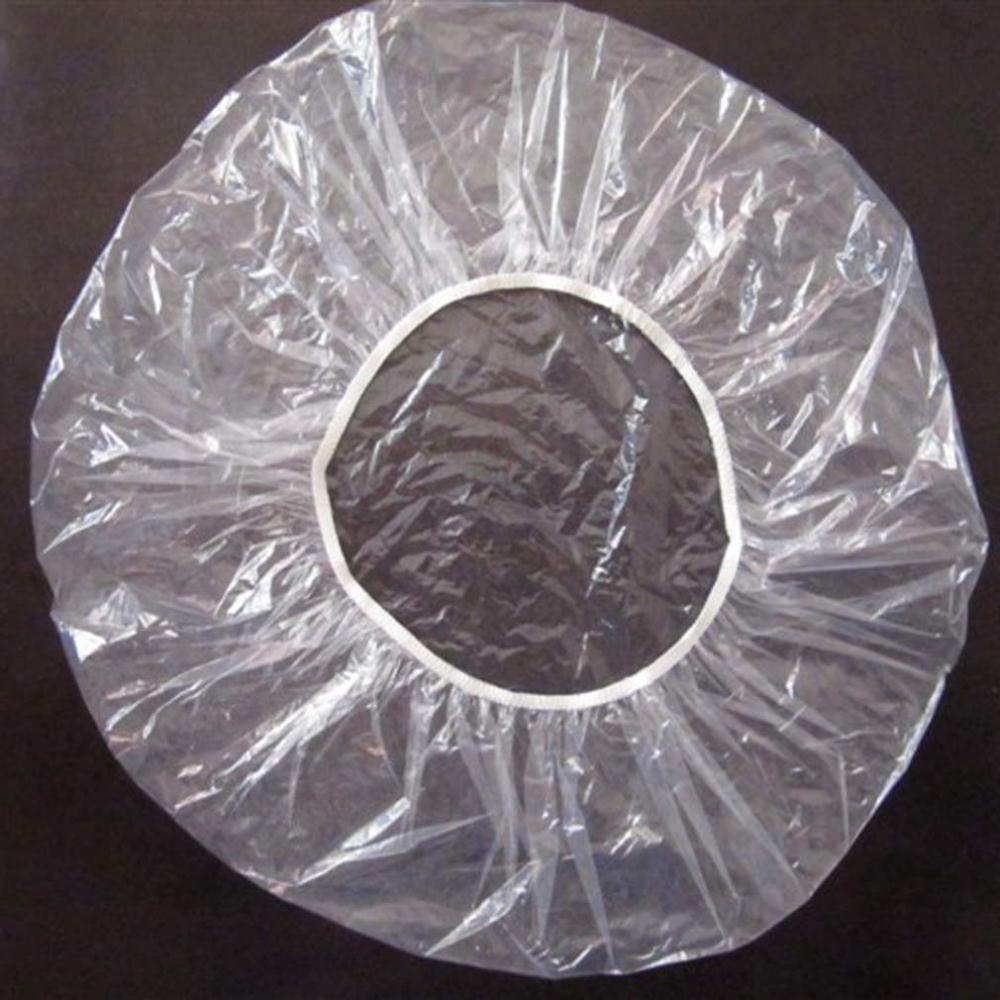
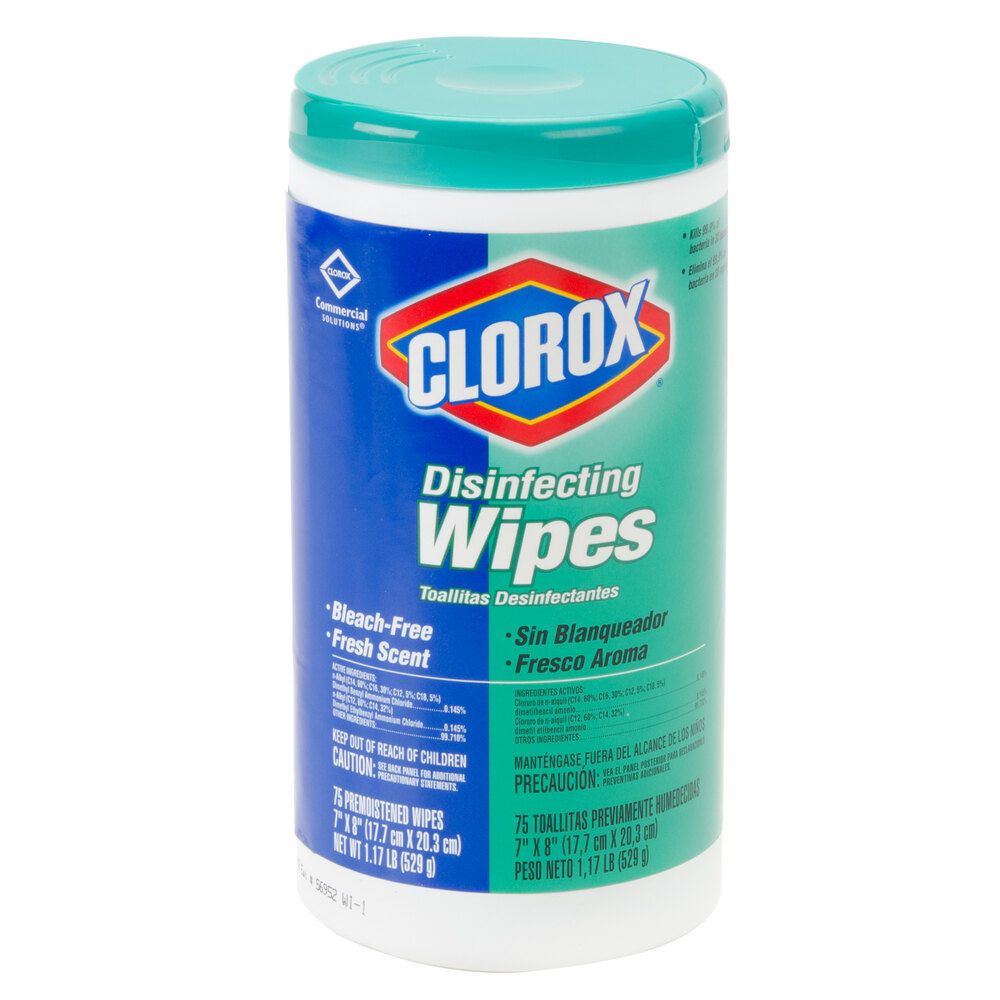
Because of those memories I have realized how important it is in emergency situations to insure safety by having the right gear and protective practices. Having the things you need for personal protection provides a way to keep from cross contamination of sickness or food illnesses. It’s good to have waterproof personal protective equipment for things like cleaning up from sick kids, going in a quarantined room, butchering meat, canning etc. Waterproof equipment is also easy to sanitize with sanitizing wipes, bleach water, paper towels etc. Below is a list I have compiled of items to help you be prepared with the right gear for personal safety.

Personal Safety Items for Emergency Situations
Equipment needed for personal safety: 

  • Heavy duty vinyl waterproof apron(s)
  • Rubber over-boots
  • Shower cap(s)
  • Rubber gloves
  • Safety glasses
  • Mask(s)
  • Sanitizing wipes

Photo credits:
http://g01.a.alicdn.com/kf/HTB1GkgUKpXXXXaoXFXXq6xXFXXXU/Waterproof-Home-font-b-Shower-b-font-Bathing-Elastic-font-b-Cap-b-font-Disposable-font.jpg


Tuesday, March 1, 2016

Emergency Suitcase - March Idea of the Month

Instead of having an empty suitcase in your closet, pack your suitcase as if you were going on a trip, with some extra clothes, bath kit, and some cash.

In case of a family, medical, or natural disaster emergency, you can grab-and-go on a minute's notice.
For example, if you had a family emergency out of town, you could grab your emergency suitcase and be on your way.  

It also helps to know your blood type, in case a family member/friend needs a blood transfusion.


Saturday, February 13, 2016

Emergency Toilet Paper - February Idea of the Month

Toilet Paper is something you might not consider storing for emergency situations.
But running out of toilet paper can become an emergency situation!!
In an emergency, you can take off your sock(s), cut the top part(s) off with your pocketknife, and use it for toilet paper.
Make sure to leave some elastic band on your socks to keep it on your ankle.

Emergency Toilet Paper


Thursday, January 7, 2016

Tire Rim Stove - January Idea of the Month

Cooking and heating in emergency situations is very important. If you don't have the means to purchase a stove or propane to store for emergencies or if a disaster has already happened and you are scrambling for something, here is another option.
You can make a small wood stove from a 16 inch truck tire rim and whatever other metal pieces you can find.  
*Some welding is required*
Cut the center out of the tire rim.
Weld a round steel plate to the top and bottom of the rim
Add metal legs to the bottom.
Cut the door out of the side of the rim.
You can use the piece you cut out or a different piece of metal for the door. 
Add hinges and a handle to the door piece. 
Cut a hole in the top and add the exhaust pipe.
       There you have a stove you can use for heating your shelter.
Tire Rim Stove

Emergency Heating Option